The AI Influencer Economy: Inside the Studios Managing Dozens of Digital Stars
From automated sponsorship posts to always-on livestreams, talent studios explain how a roster of synthetic personalities is actually run — and where disclosure rules come in.
Kenji Sato
Virtual Talent Editor • • 4 min read
The quick take
- 1Persona bibles drive everythingEach digital star has a written bible that defines voice, values and no-go topics.
- 2Humans stay in the loopWriters and moderators review content and handle live interaction.
- 3Disclosure is the trust anchorSponsored posts must be clearly labelled, and so must the synthetic nature of the account.
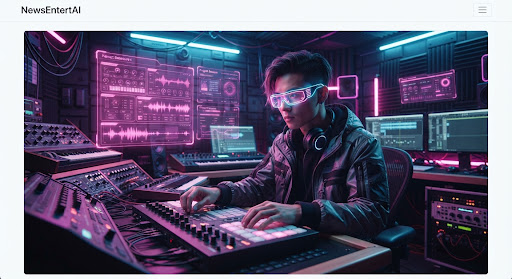
Behind every always-on digital personality is a team that is very much awake. The fictional talent agency Nightglass Talent manages a roster of synthetic stars, from a deadpan travel vlogger to a cheerful cooking host. In this illustrative look at their operation, we explain how such a studio runs, what the daily work really involves, and where the ethics and the rules meet the business.
The persona bible
Every Nightglass star starts with a persona bible, a living document that reads like a mix of character sheet and style guide. It covers how the personality speaks, what they care about, which jokes they would never make, and which subjects are off limits. It also records visual rules such as signature colors, wardrobe limits and camera framing.
"The bible is the product," says fictional head of talent Odalys Brennick. "Tools can generate endless content, but without a bible you get an incoherent character, and audiences leave."
The content calendar
Each persona has a content calendar planned weeks ahead. Recurring segments, seasonal themes and sponsor placements are mapped out, with space left for reactive posts. Human writers draft scripts and captions, sometimes with generative drafting tools, and an editor approves everything before it goes live.
Brennick describes a typical cycle. Monday brings a planning meeting where writers pitch ideas. Midweek is production, in which voices, animation and visuals are assembled. By the end of the week, moderators review scheduled items against the persona bible and brand rules.
Livestreams and real-time interaction
The most demanding work is live. Some Nightglass stars host streams in which the digital character chats with viewers. A human operator controls the performance through motion capture or a control panel, and a language model can suggest replies, but a person approves anything sensitive. A separate moderator watches the chat for abuse and for attempts to push the character off script.
"People try to trick the persona into saying something outrageous," Brennick says. "That is why the persona is never fully autonomous on live. There is always somebody who can pull the plug."
Sponsorships and disclosure
Sponsorship is where trust is won or lost. Nightglass requires that every paid post carry a clear, visible label, and that the account bio states plainly that the star is a digital character managed by a studio. Brennick says the second rule matters as much as the first. "Fans deserve to know who they are talking to, and so do brands."
- Clear labels. Sponsored content is marked in the first line, not buried at the end.
- Honest claims. A digital star cannot "try" a product, so scripts avoid pretending to personal experience. Instead, a post might say the studio's team tested it.
- Brand fit. Nightglass turns down campaigns that clash with a persona's values, even when they are tempting.
Disclosure rules differ between regions and platforms, and they change over time. The studio treats that as a reason to over-disclose rather than argue about edge cases. This is general information rather than legal advice.
Brand safety
Because a synthetic star is a brand asset, Nightglass puts heavy emphasis on brand safety. Content passes through a checklist covering sensitive topics, accidental resemblance to real people and cultural missteps. The studio also keeps a crisis plan: if a persona is drawn into controversy, there is a pre-agreed way to pause posting, review the situation and respond in a calm and honest voice.
Audience fatigue
One of the sector's quiet worries is fatigue. When feeds fill with polished synthetic personalities, audiences can grow wary of anything that feels like an advertisement. Brennick says Nightglass has slowed down on purpose. "We would rather have fewer posts that feel like someone cared. The danger is being everywhere and meaning nothing."
The studio now plans quiet stretches, invites audience feedback and retires personas whose stories have run their course, with a farewell moment rather than silence.
The people in the machine
Though the stars are digital, the labor is human: writers, voice performers, animators, moderators and community managers. Brennick says the agency credits voice and motion performers in its materials and gives them input on how their work is used. She also admits that the economics of a large roster can tempt studios to cut corners on staffing, which is why she argues for industry norms about credit and workload.
"A roster of synthetic stars is really a roster of human teams. Treat the teams well and the stars will shine."
What to watch next
For audiences, the takeaway is practical. Look for clear labels, notice whether a persona has a consistent point of view, and be wary of accounts that never admit they are synthetic. For studios, the lesson is that discipline beats volume. In this launch-edition portrait, Nightglass is fictional, but its habits describe where a thoughtful industry is heading: structure behind the scenes, honesty in front of the camera.
Launch edition note: this is an illustrative story. The studios, platforms, people and events are fictional. See our disclosure protocol.
Kenji Sato
Virtual Talent Editor at NewsEntertAI. Launch-edition byline. Spotted an error? Tell us.